Why Monument Valley Should Top Your Bucket List: 10 Must-See Wonders
Monument Valley sits out in the American Southwest, and honestly, it’s like nowhere else. The scenery here has a way of grabbing your attention—people from all over the globe come just to see it for themselves.
There are so many reasons Monument Valley deserves a spot on your travel list. Maybe you’re plotting a road trip or just want a destination that’s a little different—either way, this guide aims to show you what makes this place so memorable.
(This article may contain affiliate links, and we could receive a commission if you use them to make a purchase.)
1. Iconic red sandstone buttes
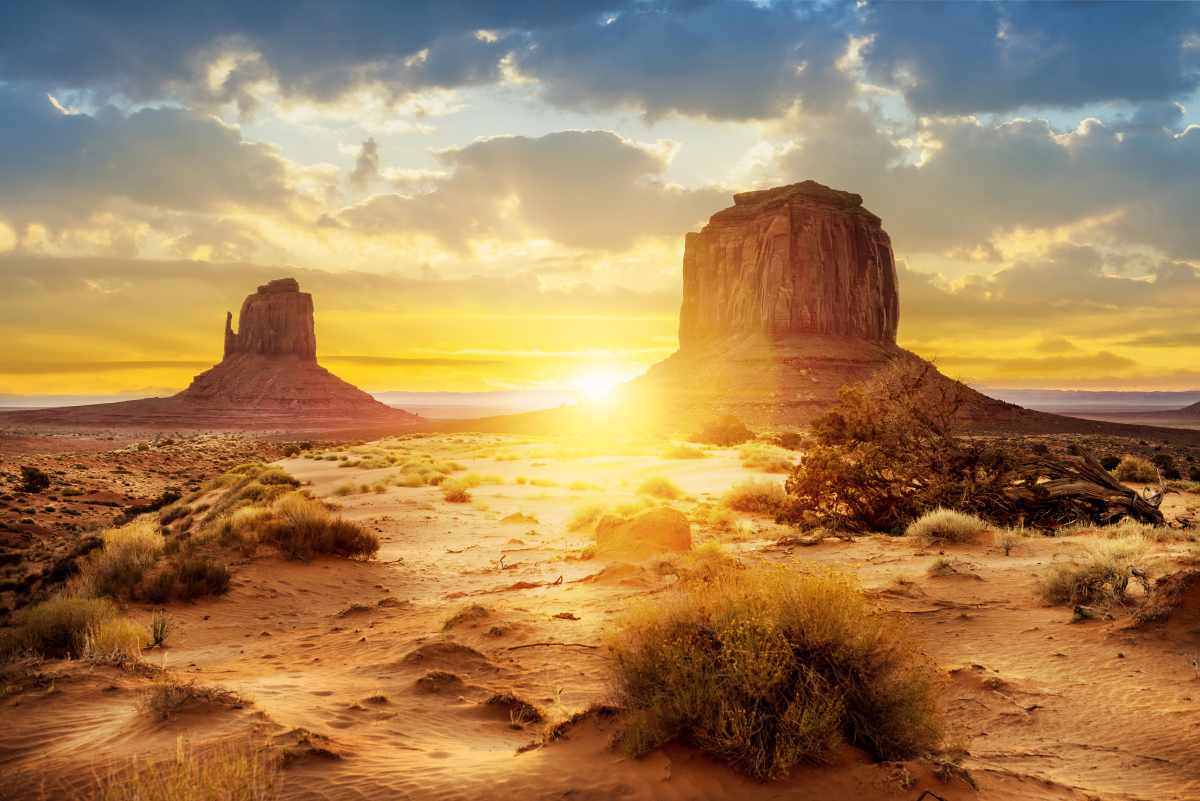
Step into Monument Valley and you’ll spot tall red sandstone buttes jutting up from the desert. These massive formations pretty much define the whole area.
Their shapes are instantly recognizable, and you’ve probably already seen them in movies or on postcards. You can catch great views of the buttes from all over the park, so you don’t have to be a pro to snap a good photo.
Best Monument Valley Hotels & Camping
Check current hotel and camping rates in Monument Valley (Tripadvisor)
2. Breathtaking sunrise views

Sunrise here is something else. The sun creeps up over those rock formations, and the sky shifts from deep blue to wild streaks of orange and pink.
Early light makes the red rocks glow in the quiet morning. Photographers love this hour for obvious reasons.
If you’re up early, you’ll find cool air and hardly any crowds. That’s the sweet spot for exploring, if you ask me.
3. Scenic guided jeep tours

Guided jeep tours let you get deeper into Monument Valley. Local guides drive you down bumpy trails and point out sights you’d probably miss alone.
They’ll take you to spots that aren’t open to everyone. Plus, you’ll hear stories about the land, its history, and the Navajo people.
It’s a pretty easy way to see a lot without having to hike for miles. Sometimes, that’s just what you need.
4. Navajo cultural experiences
Want to learn about Navajo history and traditions? Join a tour led by Navajo guides—they share stories, music, and customs that matter here.
You’ll find handmade crafts and art in small shops. The guides often explain how they make these pieces and what they mean to the community.
Sometimes you’ll catch a cultural demo with traditional songs or dances. It’s a real chance to connect with Navajo culture, not just read about it.
5. Stunning desert landscapes

Wide open desert, tall buttes, and a sky that goes on forever—that’s Monument Valley. The sandstone shapes really pop against all that blue.
The ground’s covered in red sand, and the colors shift as the sun moves overhead. At sunrise or sunset, you get long shadows that make everything feel dramatic.
The quiet out here is almost surprising. You can take photos or just stand there and soak it in.
6. Photography hotspots
If you’re into photography, you’ll have a field day. The Mittens—those two tall rocks—stand out and are super easy to find.
Sunrise and sunset bring out the richest colors. You’ll also get those classic shots of open desert and red rocks.
John Ford’s Point is a favorite for sweeping valley views. Into night photography? The stars out here are unreal.
7. Distinctive rock formations
Monument Valley’s rock formations really stand apart with their odd shapes. Huge sandstone towers, mesas, and buttes shoot up from the desert.
Their sharp edges and rusty red colors catch your eye, even from a distance. Each has its own name—“The Mittens” are probably the most famous.
Come at different times of day and you’ll notice how the sun changes everything. The shapes and lines give the valley a vibe you won’t find anywhere else.
8. Sunset color transformations
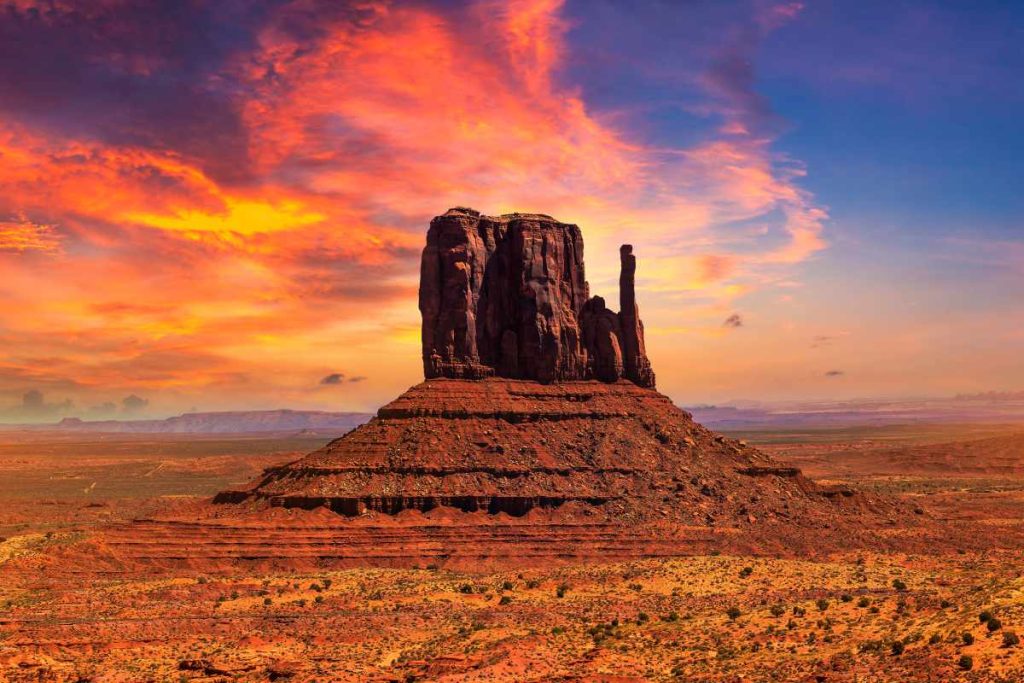
When sunset hits (it’s worth planning for), the whole valley glows with reds, oranges, and purples. Sunlight bounces off the buttes and makes them almost look like they’re lit from within.
Each formation gets new colors and deep shadows. The sky itself even joins in, changing as the sun drops lower. Bring your camera—this is the time you’ll want to remember.
9. Rich Native American history
The Navajo people call this place home. Their traditions and stories are woven into the land everywhere you look.
Many formations have Navajo names and special meanings. Guides share legends and history during tours.
Parts of the valley are managed by the Navajo Nation, so you get a closer look at their culture and history if you visit those areas.
10. Wildlife spotting opportunities
Keep your eyes peeled—there’s a surprising amount of wildlife out here. Mule deer, coyotes, and jackrabbits all live in the valley.
Birdwatchers can spot hawks, eagles, and ravens. Lizards and snakes show up more in the warmer months.
Bring binoculars if you’re serious about spotting animals. Early morning or dusk is usually when you’ll have the best luck.
Things to do in Monument Valley
Check out the best tours and attractions Monument Valley (Viator)
Geological Significance
Monument Valley wows you with its dramatic red rocks and bold shapes. These features tell a story that took millions of years to write.
Formation and History of Monument Valley
The rocks here started forming about 250 million years ago. Sand and mud built up and slowly turned into sandstone and shale.
Over time, these layers stacked up, making a thick, colorful pile. Around 70 million years ago, the land pushed up from pressure deep in the earth.
After that, rain, wind, and freeze-thaw cycles started wearing away the softer layers. Erosion took ages, and what’s left are the tall columns and flat-topped mesas you see now.
Monument Valley sits inside the Colorado Plateau, a region famous for its sturdy rocks and deep canyons. The orange and red colors come from minerals like iron in the stone.
Unique Landforms and Iconic Buttes
What really sets Monument Valley apart? The buttes, spires, and mesas. The Mittens look like giant stone hands, and Merrick Butte stands nearby with its own unique shape.
Wind and water shaped each landform differently. Some buttes tower over 1,000 feet above the desert floor.
| Landform | Height (approx.) | Description |
|---|---|---|
| East Mitten | 1,026 ft | Iconic, hand-shaped |
| West Mitten | 1,000 ft | Smaller, similar shape |
| Merrick Butte | 966 ft | Wider, rounded top |
You can spot these formations from all over the valley. They show up in movies and artwork for good reason—their shapes and colors are just that striking.
Cultural Importance
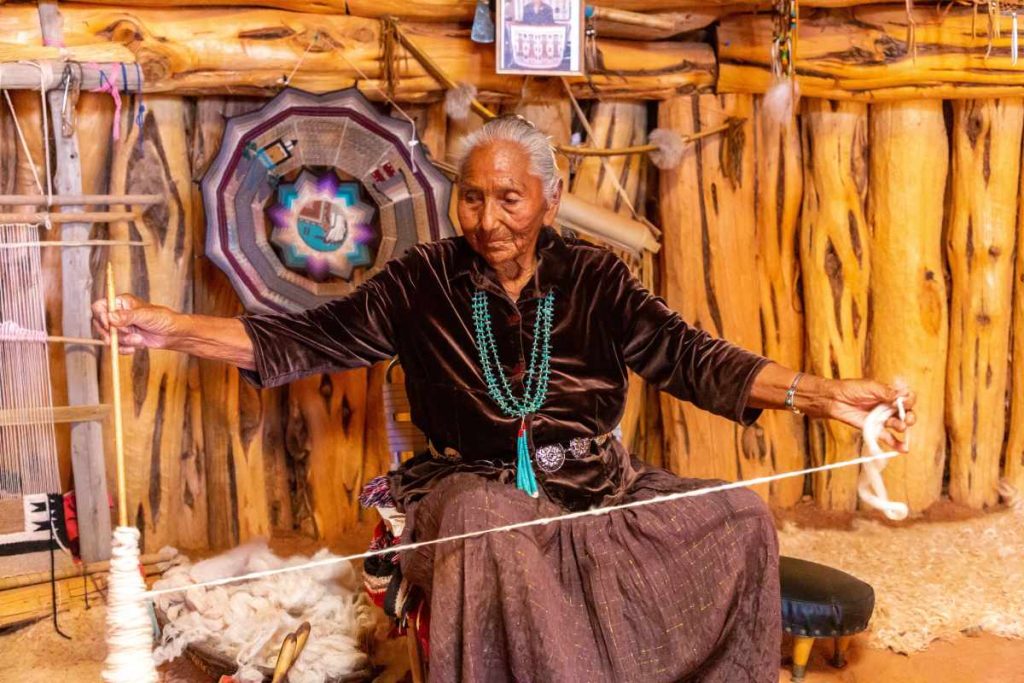
Monument Valley is deeply tied to the Navajo people and their way of life. You’ll notice signs of traditional beliefs, customs, and craftsmanship everywhere.
Navajo Nation Heritage
The valley sits within the Navajo Nation, the largest Native American territory in the country. The red mesas and buttes mean a lot in Navajo culture.
Some places here are sacred, and stories about them get passed down through generations. With local guides, you can learn about the Navajo language, beliefs, and history firsthand.
The land isn’t just a place to live—it’s a symbol of survival and identity. Spots like Totem Pole and Ear of the Wind are wrapped up in legends and ceremonies.
Guided tours open up areas you can’t visit on your own, helping you get a real sense of the culture. By respecting local rules and customs, you help keep these traditions alive.
Traditional Practices and Local Art
Many families here still practice crafts like rug weaving, sand painting, and silversmithing. These skills are part of daily life and art.
When you visit, meet Navajo artists and watch them work. Buying directly from them supports the community and keeps these traditions going. Here are a few arts you might see:
| Art Form | Description |
|---|---|
| Rug Weaving | Colorful, hand-woven wool rugs |
| Sand Painting | Art made with colored natural sands |
| Silversmithing | Jewelry crafted from silver and stones |
Watching artists at work gives you a glimpse into how culture gets passed down. Elders teach the young while crafting, keeping Navajo heritage alive in Monument Valley.
Frequently Asked Questions
In Monument Valley, you’ll find unique natural landmarks, guided jeep tours, and Navajo cultural events. Entry fees and the park’s location matter for planning, and the geologic history shapes those famous views.
What activities are available to tourists in Monument Valley?
You can drive scenic routes, hop on guided jeep tours, or hike marked trails. Photography is huge here, especially at sunrise or sunset.
Some tours include Navajo storytelling, music, and crafts. There’s a little something for everyone.
Can you explain why Monument Valley is a renowned tourist destination?
Monument Valley stands out for its tall, red sandstone buttes and mesas. It’s appeared in countless films, TV shows, and photos.
The landscape is famous for its beauty and deep connection to Navajo culture. It’s just one of those places that sticks with you.
What are the costs associated with entering Monument Valley?
You’ll usually pay an entrance fee for the Monument Valley Navajo Tribal Park. Prices for vehicles, tours, or activities can vary.
Guided tours have their own costs, depending on how long they last and what’s included.
Which states can you find Monument Valley in, and does its location affect visitor experiences?
Monument Valley straddles the Utah-Arizona border. Some viewpoints are in Utah, others in Arizona.
The tribal park sits on Navajo Nation land, which has its own rules and offers experiences you won’t get elsewhere.
Are there guided tours available in Monument Valley, and what do they offer?
Navajo guides run jeep tours that take you to restricted areas and share stories about the land’s history and culture.
These tours usually include visits to landmarks and a chance to learn about local traditions up close.
How did the geological structures in Monument Valley form?
Over millions of years, wind and water chipped away at the landscape. They stripped the softer rock, bit by bit.
What’s left? Only the toughest red sandstone buttes remain, standing tall and stubborn. These forces gave Monument Valley its wild, iconic look.
Check current hotel and camping rates in Monument Valley (Tripadvisor)